
Disha Karnataka:
- Statewide helpline for blood has been announced.
- Blood search in the standard blood banks is now a call away.
- Networks 40 blood banks across the state.
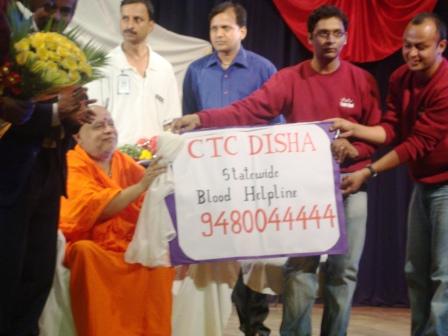
Sankalp India Foundation® in association with Comprehensive Trauma Consortium proudly and happily announces “CTC Disha: The State Wide Helpline for Blood” from 15th August 2009. This Centralised Blood Stock Information Network promises to bring an end to the painful process of hunting for blood at the time of emergency.
CTC Disha (080-1062) was inaugurated by the Hon. Governor of the State, Sh. T N Chaturvedi on 13th September, 2006 for Bangalore. The helpline has networked the most prominent blood banks in Bangalore over last three years and has saved countless lives. The helpline has been receiving on an average 15 calls each day. After proving to be a success in Bangalore, the helpline has been extended to the State of Karnataka. On the Independence Day, we dedicated the helpline to the people of Karnataka.
The helpline 94800 44444 was inaugurated on 15th August,09 in B G S International Residential School by Sri Sri Sri Balagangadhara Swamiji of Adichunchanagiri Ashramaa. “This is a wonderful concept that I have heard will now. Any person who is looking for blood need not roam from one place to another now. It is a very useful helpline and to add to this service, all of you present here can be donors and make way for elimination of blood shortage”, he said.
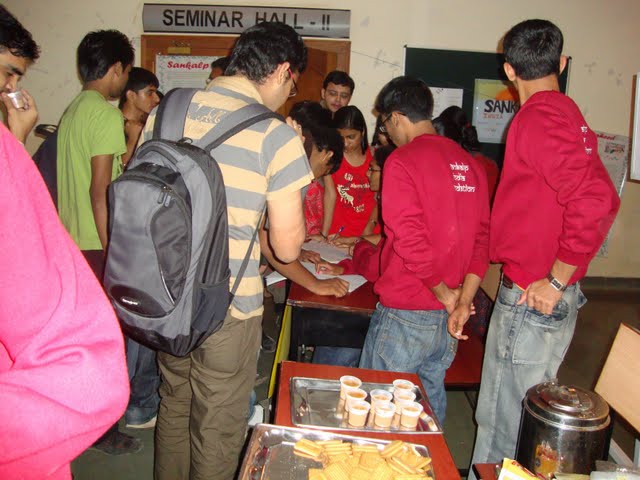
The helpline was inaugurated in the presence of Dr. N. K. Venkataramana, neurosurgeon, Chairman of CTC, and Vice Chairman of BGS Global hospitals. “Only the recent problems like that of H1N1 are often highlighted. But no one wants to talk of other existing and much prominent problems like that of low voluntary blood donation and other related issues.” He spoke of how this could be solved by the students who form the future donors, the parents and teachers who can all become donors and solve this problem.
Briefly introducing the helpline, Rajat Kumar Agarwal, President of Sankalp India Foundation said “Independence Day marks a very important day in our history. What could be a more auspicious day to launch the helpline than this day? We proudly present to you a one call solution to blood search. CTC Disha is the first of its kind network in the country which works with the good blood banks coming together to ensure convenience and timely help to the needy. It does not just end here. All our efforts would really succeed if all of you who are present here, students, parents, and teachers likewise put in your efforts to build this nation into our dreamland without problems.”
The helpline works by networking the safe and quality blood banks. Daily blood stock information is taken from the blood banks. Any person who is in need of blood can call the helpline at 9480044444. After furnishing the details of the patient and the blood requirement the response center executives guide them to the closest blood bank which has the required blood group. The helpline ensures that the patient is able to locate the closest safe place where blood is available at a single call.
“CTC Disha is the logically correct way for the blood search mechanism in blood banks to work. It is a pity that in our country people keep hunting for blood from blood bank to blood bank even when the same unit is available somewhere. CTC Disha is the first of its kind network in the country which works with the good blood banks coming together to ensure convenience and timely help to the needy” says Rajat.
When blood is not available in any of the blood banks the request for blood is forwarded to the our emergency team. Our Volunteers who expertise in blood searches then look for the best way to make blood available to the needy. In extremely critical blood requests the volunteers arrange for one of the donors registered with Sankalp to come forward to donate blood.
Currently the centralized network is connected to Bangalore, Bellary, Davangere, Gadag, Gulbarga, Hubli, Dharwad, Mangalore, Manipal, Udupi, Mysore, Raichur, Kolar and Shimoga districts in the state, and still counting. These districts account for 87% of the state. In the next stages of the project we will be networking the remaining districts.
Having served Bangalore for past 3 years we are sure that the helpline has the potential to bring an end to the misery a person faces when in need of blood. There are professional blood donors out there who capitalize on the need. There is also news of blood banks black marketing blood in some pockets of the state. The helpline puts up a strong fight to such malpractice by directing the patients to the standard blood banks which have stocks. “The need of the hour is a huge public awareness movement to ensure that each one of us knows about the helpline. It is only then that we can put up strong resistance to the prevalent exploitation of people in need of blood. ” adds Rajat.
We have never refused to take a blood request so far. In order to ensure that this trend continues with the statewide extension we are taking steps to build up a statewide directory for blood donors. Any person interesting in registering themselves as a blood donor can sms their name, blood group and their city to 9480044444. In the coming months, the organization is planning to hold blood donation drives across the state and is planning and executing educational, motivational campaigns in colleges in various districts to increase the percentage of VBD in Karnataka. This will help improve the blood stock conditions in the networked blood banks and thereby ensure greater relief to the needy.
For any more queries mail sankalp.admin@gmail.com or call 9880132850.