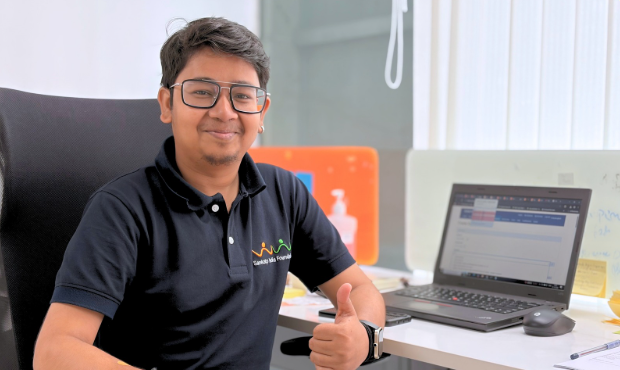
Kaustav Ghosh’s words stay with you. Growing up with thalassemia in Jamshedpur, he faced more than hospital visits. Some people warned others not to sit beside him, wrongly believing the condition could spread through touch.
Treatment interrupted college. His father’s retirement savings went towards hospital care. Finding work was difficult, and the next transfusion was always something to plan around.
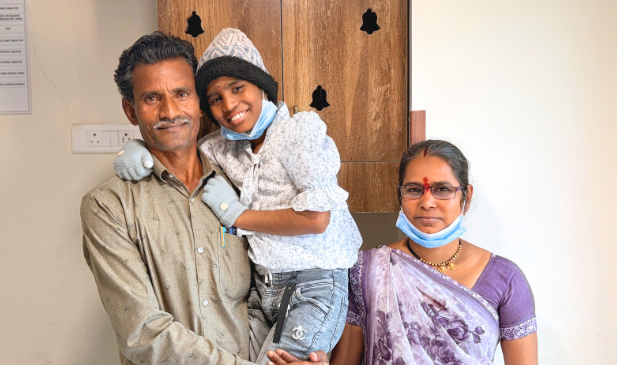
Mohan, a labourer, and Deepa have three daughters to hold close and one they can only remember. Their third daughter’s reports revealed thalassemia only after her death. She had gone undiagnosed and untreated.
When their youngest, Leena, was diagnosed at three months, they feared losing another child. Transfusions every fifteen days followed. Mohan remembers worrying about what would happen to her. “I used to cry a lot,” Deepa recalls.
Being far from Bengaluru did not make this milestone any less their own.
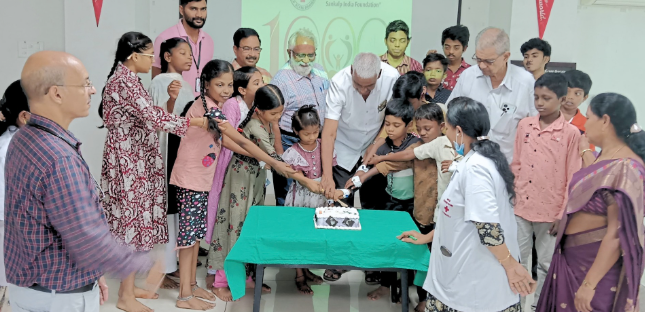
Across Sankalp’s day care centres, people came together to celebrate 1,000 bone marrow transplants. They could not be with us at the event, but wanted to mark this moment in the places where they share so much of everyday life.
There was something deeply moving about these celebrations: the love with which people made this achievement their own.
When routine blood tests leave questions unanswered, further testing can help families understand an inherited blood condition.
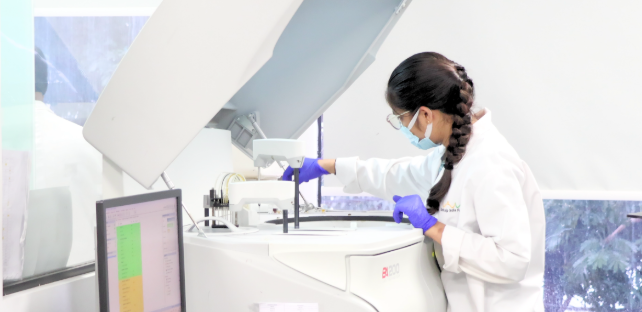
Sankalp Labs has introduced alpha-thalassemia deletion testing using MLPA (Multiplex Ligation-dependent Probe Amplification). The test detects missing sections of DNA in the alpha-globin gene cluster, helping clarify cases where routine findings are inconclusive.
Every child deserves a team that keeps learning from what went well and what proved difficult.
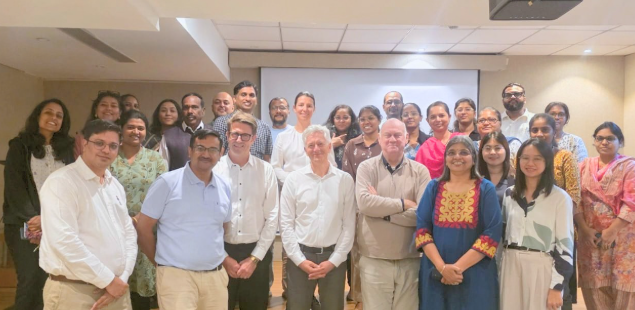
The Sankalp–Cure2Children Network (SCN) meeting brings transplant physicians, quality and research teams together with collaborating institutes to review experiences and outcomes. Together, they review and improve the treatment protocols that guide each child’s care and identify areas for further research.
Each review serves one purpose: using what we learn today to improve care for the next child.
For a family hoping for a transplant, having support can make the next step possible. Thalassemia Bal Sewa Yojana (TBSY) helps turn that hope into access to treatment.
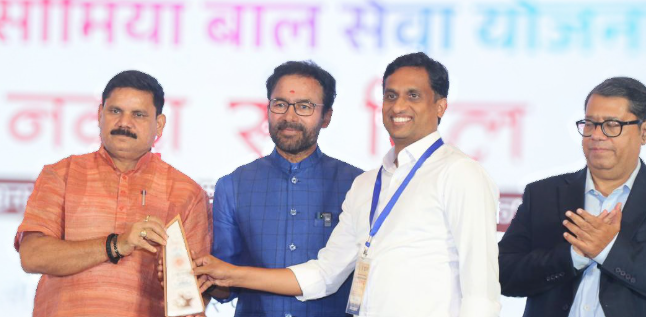
On 8th September 2026, Sankalp BMJH, Bengaluru, was recognised in New Delhi for 60 bone marrow transplants under TBSY. The occasion marked 1,000 transplants through Coal India Limited, Thalassemics India and the Ministry of Health & Family Welfare.