
Our Princess Anushree goes back home - cured!
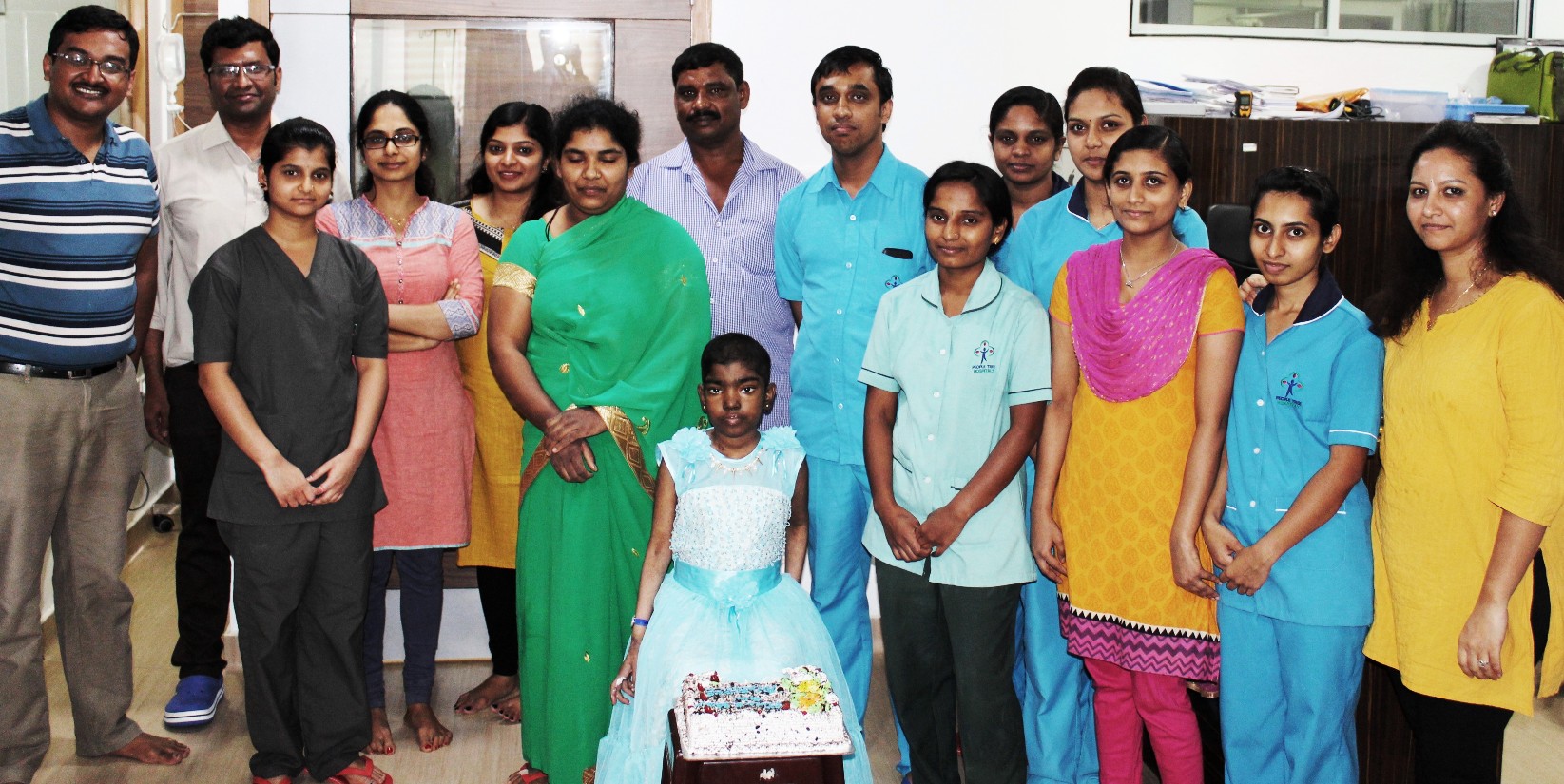
We read somewhere - "Perseverance is not a long race; it is many short races one after the other." Anushree personified it.
We read somewhere - "Perseverance is not a long race; it is many short races one after the other." Anushree personified it.
Bone marrow transplantation is becoming an increasingly acceptable curative option for patients suffering from thalassemia. This coincides with improved access to care and management of thalassemia. There is a need for a measure to be available for the patient families, support organisations, government and donors to make a truly informed choice on whether or not the option of a bone marrow transplantation of a particular kind at a particular centre is the best option for the patient. Overall survival post transplant and disease free survival are the generally used measures.
He may just pass on as just another man from the hinterland of Bihar when you first see him. Vijju’s looks of-course don’t give out the determined and courageous soul inside. He is the father of little Chetan - a child from Bhojpur, Bihar who suffers from thalassemia. He is a man who did not let limited financial means, travelling long distances and pressure from his family come in the way of ensuring that good treatment was available for his child.
There is a time, when in life some families face lot of difficulties, struggle a lot, and then, they came over of hard time. Daiyaan's family is a perfect example of this.
Sankalp Program for Thalassemia Management is aimed at ensuring that adequate and appropriate care is provided to each child taking coming to our centres. The overall aim is to resume normalcy in their lives. A key component in this pursuit is reducing the time it takes to provide appropriate medical intervention. For individuals who need to come back for follow-up every few weeks and for patients who travel long distances to seek care, every hour saved matters a lot.
Whose responsibility is it to provision safe blood for patients in need? The patient/patient family? or the hospital/blood bank? or the blood donor/donor organizations or all of them together?