
23 Years of Keeping Hope Alive
Image

For 23 years, Sankalp India Foundation has been driven by a simple refusal: the refusal to accept preventable suffering.
Information about the organization in general
For 23 years, Sankalp India Foundation has been driven by a simple refusal: the refusal to accept preventable suffering.

2025 was a landmark year for Sankalp India Foundation, a year when compassion became a measurable impact and every new milestone brought India closer to freedom from thalassemia and sickle cell disease. Across its core programs of Prevention, Management, and Cure, Sankalp continued to blend science, service, and empathy to reach more children and families than ever before.
Beginning the Year with Purpose
The year began with renewed energy and clear goals. January saw strong achievements from the year before:
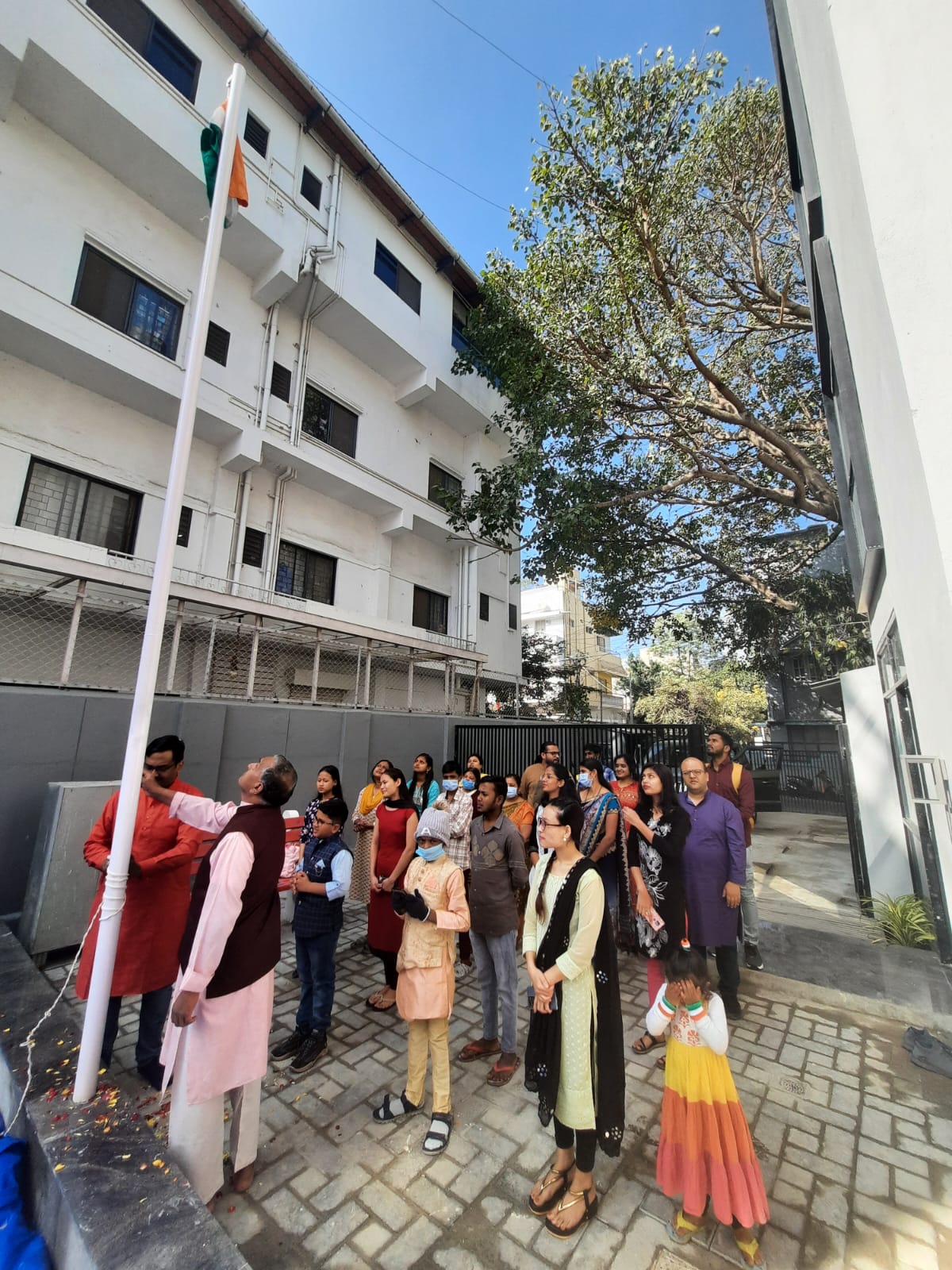 The celebration of national festivals used to be one of the most anticipated events at Sankalp. As the organisation took on more responsibility and spread across geographies, we stopped coming together to celebrate our national festivals.
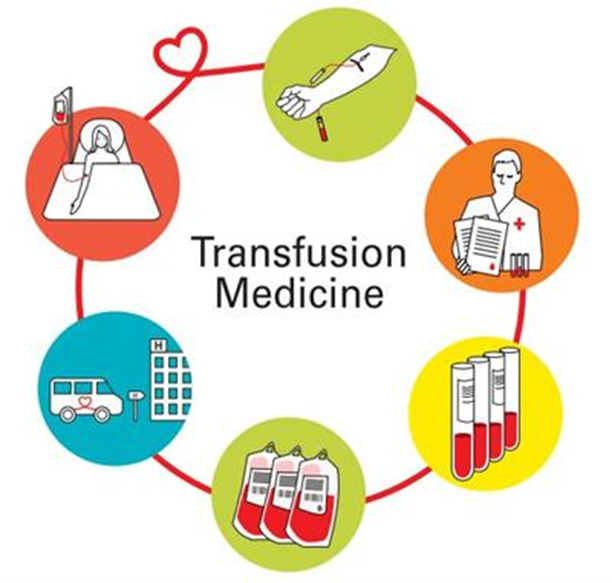
We were listening mesmerised and all soaked up to "Subh Sukh Chain" the national anthem of the Provisional Government of Free India. The "Subh Sukh Chain" for which those sons and daughters of this mother - Bharat Mata, gave up all their "Subh Sukh Chain" was for us! Free India, where the sons and daughters of this mother have the freedom to decide how their brethren will be treated.
There are an estimated 110,000 medical labs in India. Just under one percent of these are even accredited. In places like Bangalore, the concentration of such services is much higher than the national average. And yet, today, Sankalp starts its medical and research labs - the "SANKALP LABS".
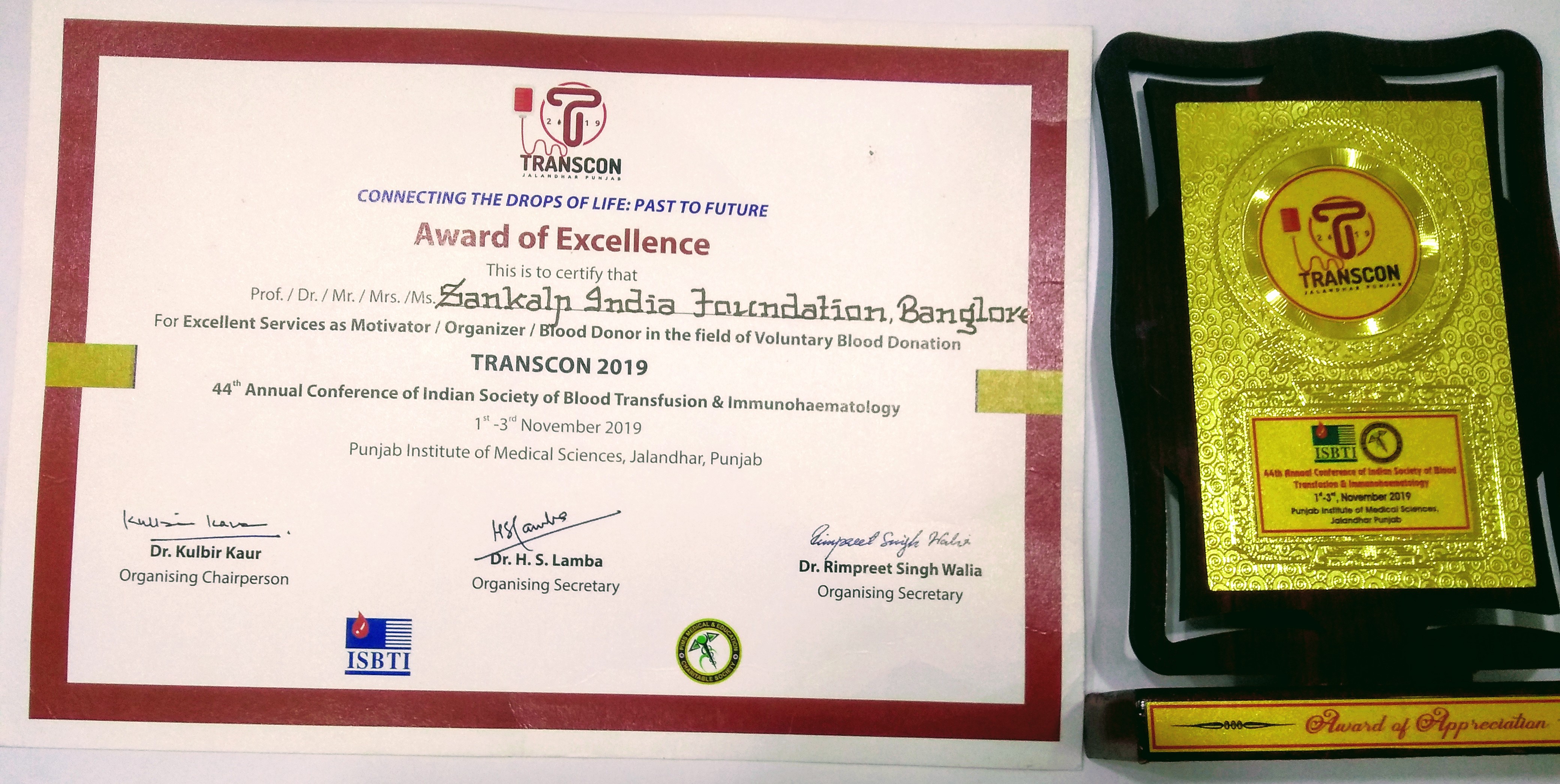
Sankalp India Foundation was awarded for Excellence in Voluntary Blood Donation at the Tran
April is a busy month at Sankalp India Foundation(SIF). This is the time when SIF reviews the work that the organisation has done in the past 1 year and lays out strategy for the year to come. Sankalp operates through teams which focus on different areas of the organisation's work. There is an emergency team, a team for the helpline, a team for thalassemia and so on. The process starts with accumulating all the performance and feedback data for the last year of work.


