World Mental Health Day: Pause, Reflect and Recharge
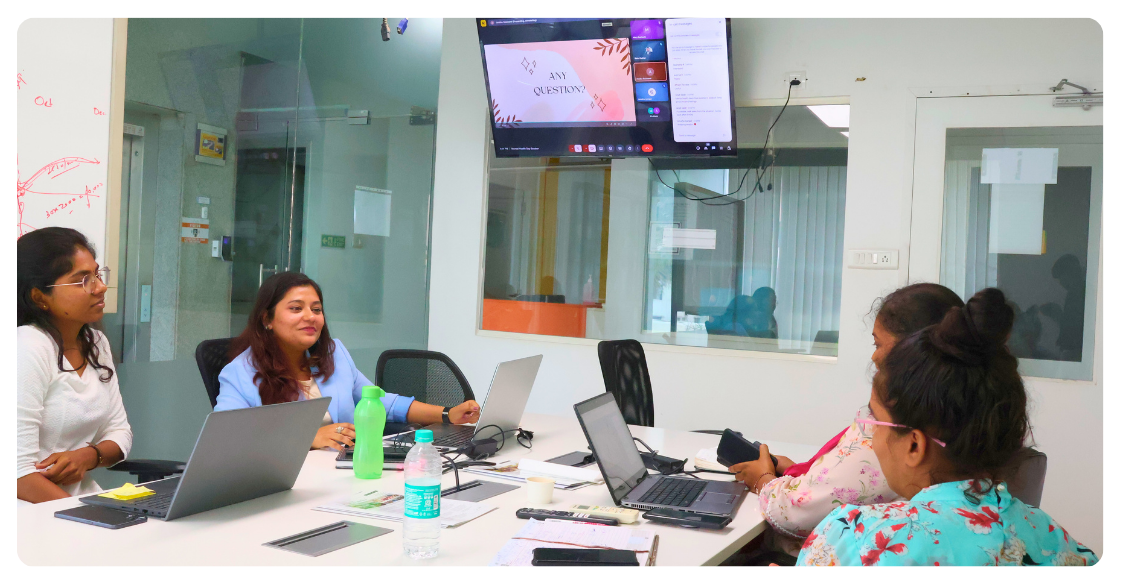
On the occasion of World Mental Health Day, Sankalp India Foundation organised a virtual session on everyday mental health and emotional well-being under the theme Pause, Reflect and Recharge.
On the occasion of World Mental Health Day, Sankalp India Foundation organised a virtual session on everyday mental health and emotional well-being under the theme Pause, Reflect and Recharge.
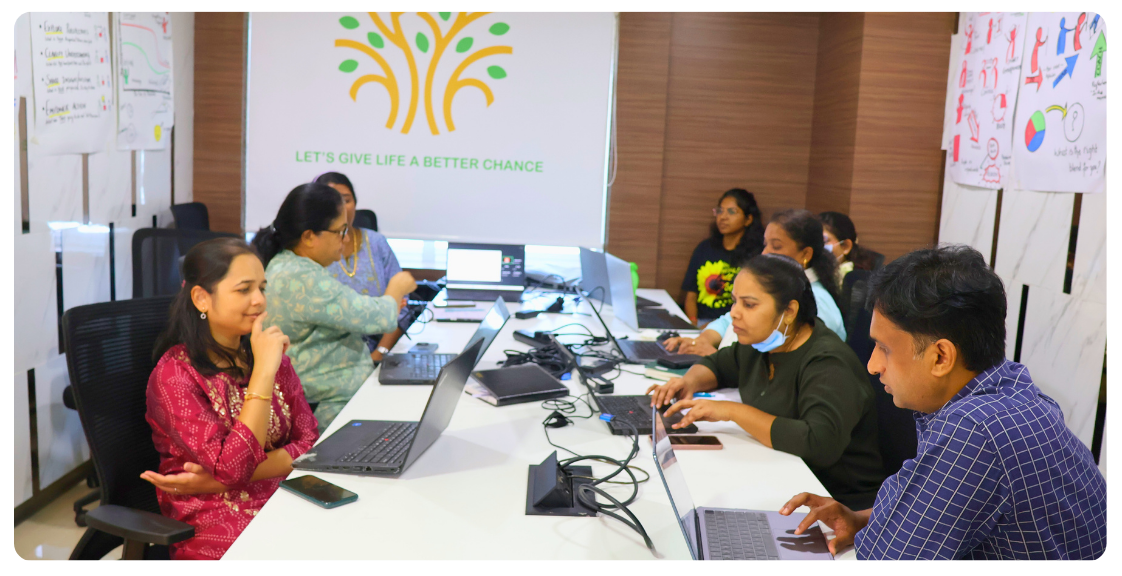
The Sankalp Hemoglobinopathy Academy of Learning (SHeAL) continues to nurture reflective and compassionate leaders through its Mentor Development Series.
Mentored by Mr. Sunil Dhimal and facilitated by Ms. Jessiena Ponmalar, the series empowers senior professionals to design and deliver impactful learning experiences for their team members.
September Highlights
Prevention
Screened 253 pregnant women and prevented 4 affected births, empowering families to take charge of their future.
Blood Donation
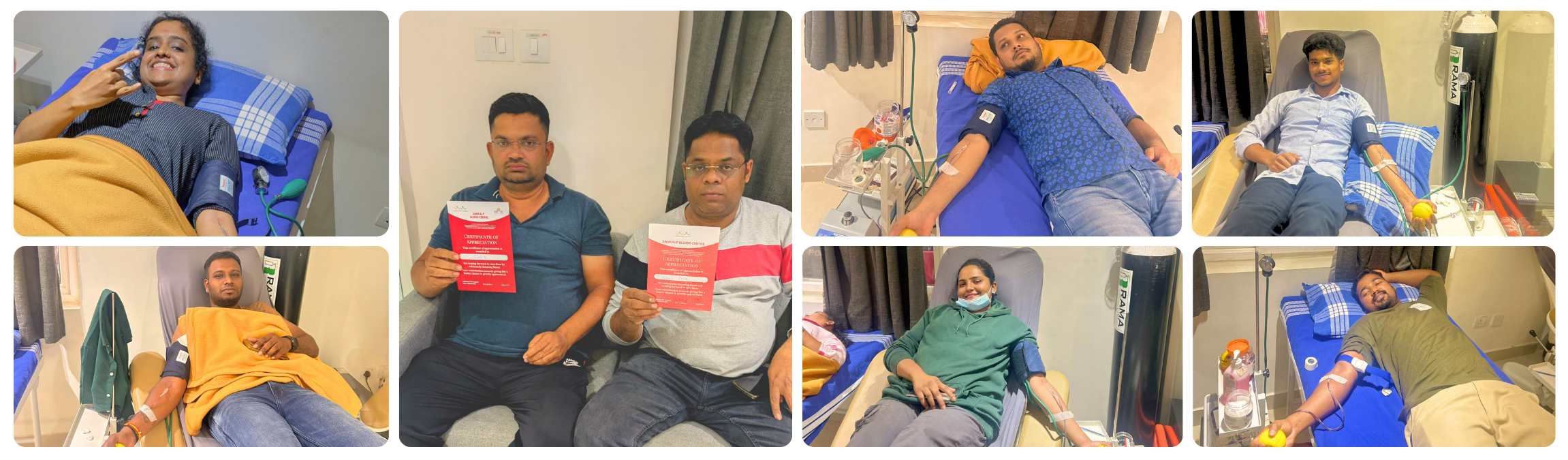
October arrived wrapped in the warmth of Dusshera and Diwali, a time for togetherness, celebration and light. But for our Bone Marrow Transplant units and Daycares, it also brought an uphill task. With people travelling and festive plans taking priority, arranging regular blood donations became a major challenge. Platelets, with their short shelf life, added another layer of difficulty.
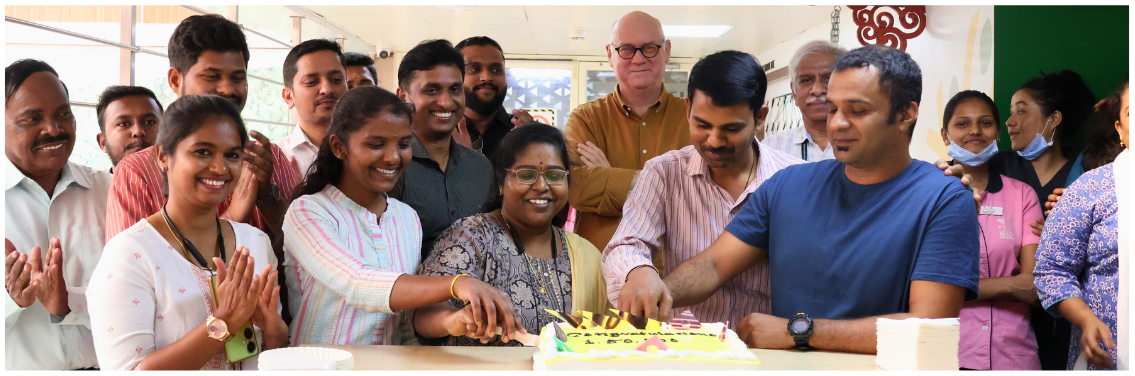
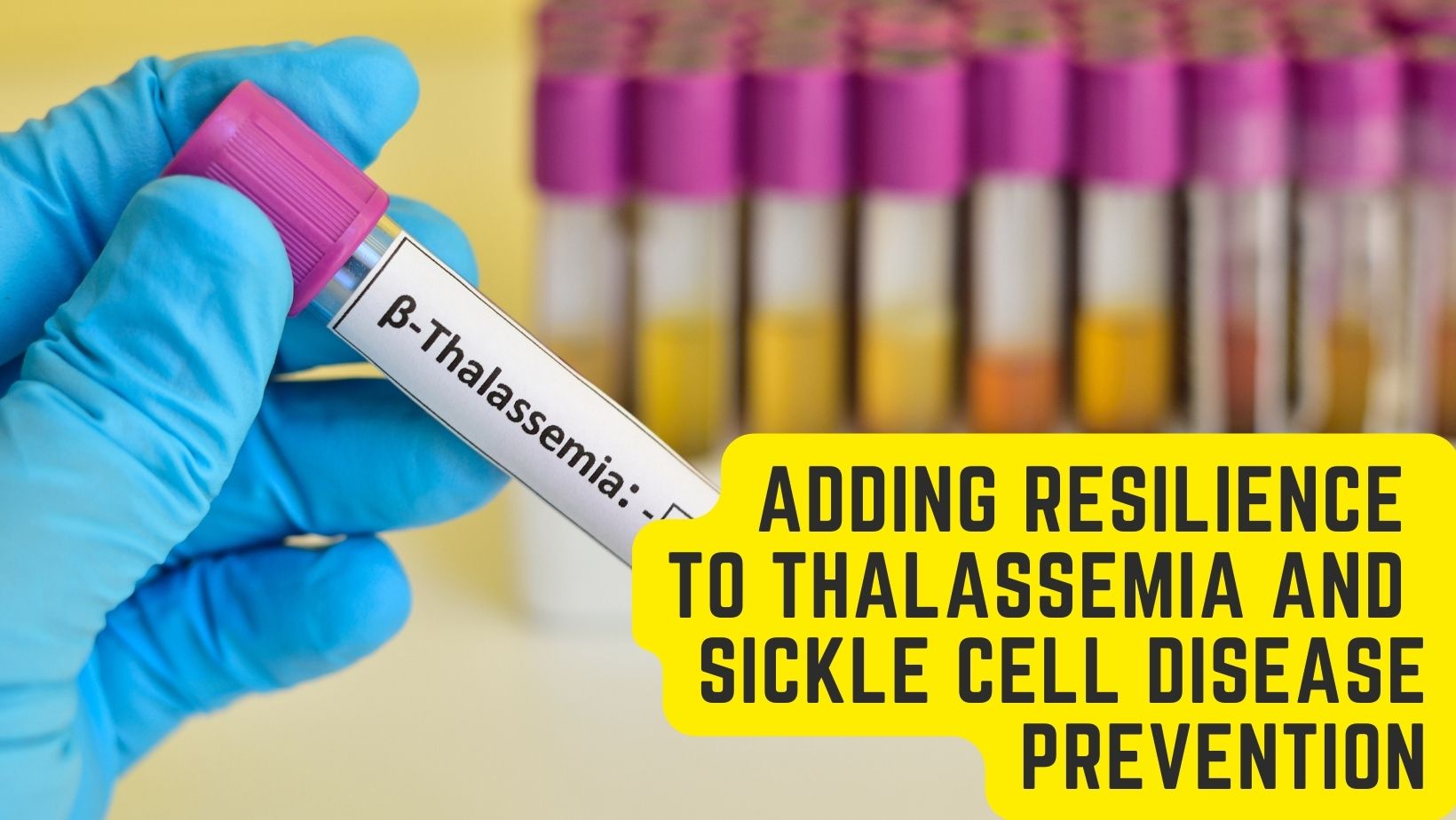
On February 13, 2025, Sankalp India Foundation achieved a significant milestone in thalassemia and sickle cell disease prevention, enrolling 1,50,000 families in antenatal screening.
Collected 789 units of life saving blood from 17 camps, impacting countless lives through generous donations
Transfused 3590 units in January in 23 daycare centres across 6 states, providing essential care and treatment to 2000+ affected children.
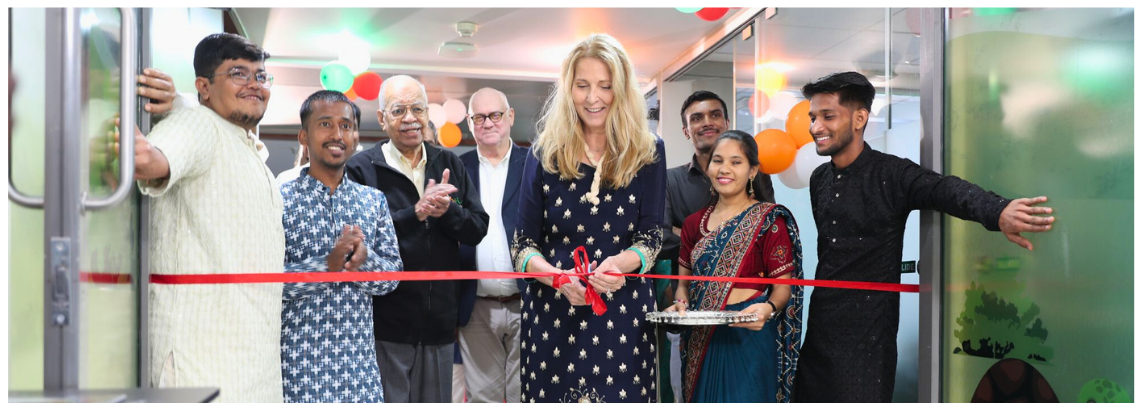
For families battling thalassemia, every day is a fight for survival. The hope of a cure through a bone marrow transplant (BMT) often feels out of reach due to limited facilities and high costs. In a step toward changing this reality Sankalp India Foundation with the partnership of DKMS Foundation India and Cure2Children have expanded the BMT unit at Health1 Hospital, Ahmedabad.
Graceful degradation is the practice of building functionality so that it continues to work even if some components fail.