
Latest In Transfusion Medicine
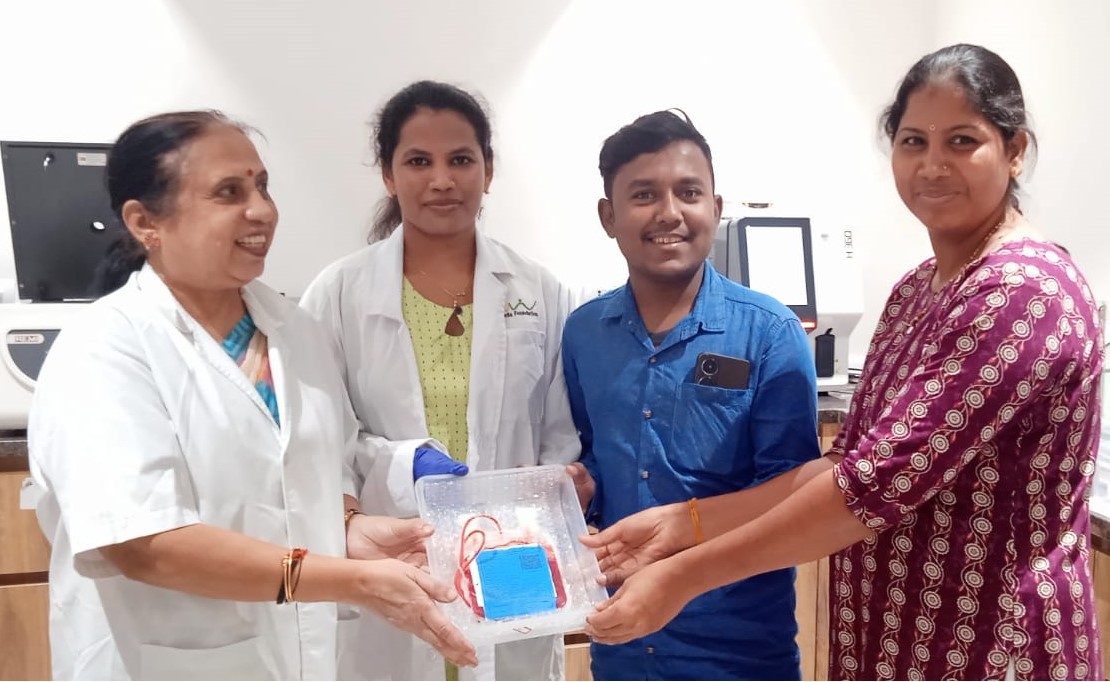
Enrolling More Children for Bone Marrow Transplant HLA Typing Across The Country
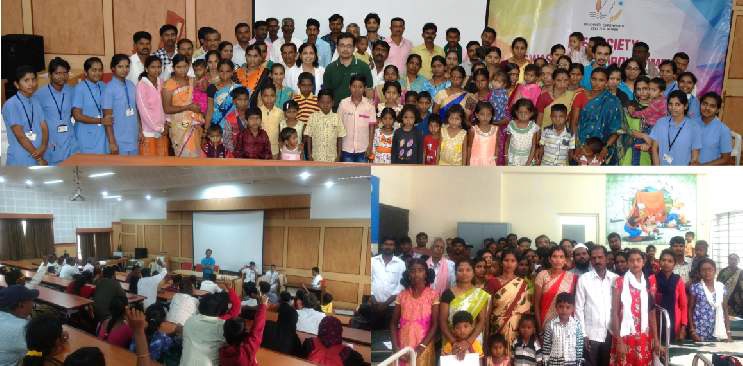
Thanks to the generous support from DKMS, HLA typing which usually costs a significant amount is made very affordable for several families in India. Through their support, Sankalp has been actively identifying candidates for BMT across the country. Over the last 3 months, nearly 500 HLA samples have been collected. Here is a snapshot of HLA typing events held at different places.
Our study of complications related to blood donation being published in Asian Journal for Transfusion Science
What do we do as a voluntary organisation when we confront with a problem that affects the donors and the interest of voluntary blood donation as a whole? There are choices. There is the choice to create awareness about the problem and hope that someone will take notice and solve it. The other option is to petition the Government and other stakeholders to try and take the problem up and find answers. Then there is the approach that we took.
News and Updates from August 2015
Lesser camps, better planning for Rakta Kranti
Due to a patriotic fervour gripping the city around Independence day the number of blood donation drives in were far too many. At such times, Sankalp takes a stand not to organise too many drives. This ensures a balanced supply of blood without overloading and leading to possible wastage. Hence in the month of August, the team organised only 7 blood donation drives leading to a collection of 603 units of blood. The rate of adverse events was quite high compared to other months in the year and was about 4%.Bringing in a Consensus on Donor Deferrals – The Emergence of a Protocol
Voluntary blood donation drives are the cornerstone of a continuous supply of safe blood in India. Organizing a voluntary blood donation drive means not only making necessary infrastructure arrangements but also creating awareness and education among a large potential donor pool to motivate them to come forward and donate blood. Donor recruitment and retention have been key challenges for blood banks and voluntary blood donor organizations across the world.
Sankalp India Foundation has been organizing regular voluntary blood donation drives since March 2007.
Rationalizing Donor Deferrals
Voluntary blood donation drives are the cornerstone of a continuous supply of safe blood in India. Organising a voluntary blood donation drive means not only making necessary infrastructure arrangements but also creating awareness and education among a large potential donor pool to motivate them to come forward and donate blood. Donor recruitment and retention have been key challenges for blood banks and voluntary blood donor organisations across the world.
Sankalp India Foundation has been organising regular voluntary blood donation drives since March 2007.
Recommendations for reducing non-compliance
The following are some recommendations which we believe will help in reducing events of non-compliance in blood donation camps.
Improving Quality of Blood Donation Drives
Regular blood donors are the cornerstone of blood safety and voluntary blood donation. The retention of blood donors is directly related with the experience they have when they come to donate blood. Quality, safety and donor retention are inseparable. Continuous focus on quality and safety is an essential responsibility of every organisation which is involved in the process of voluntary blood donation.
Thalassemia Management offers unique opportunities for Quality Assessment of blood banks
Thalassemia management offers a unique opportunity for measuring the quality of blood transfusion services. Children suffering from thalassemia who are on chronic transfusion therapy generally come back to the same centre for treatment and management. This enable insights into blood transfusion medicine which otherwise may be very difficult to get.
An intent to periodically measure the quality of blood transfusion service and also to act upon the findings is obviously the first step.
Do we really need fresh blood?
In India the demand for fresh blood units especially in case of cardiac surgeries has been a major challenge for the voluntary blood donation program. Though vast majority of associated clinicians agree that there is no need for so called fresh blood units but still the hospitals involved in cardiac surgeries continue to demand 'fresh' units. In such scenarios the blood available off the shelf coming from voluntary blood donors becomes useless for the patient. This also encourages the practice of replacement blood donation.