
News and Updated for March 2016
Here are the events and updates from the month of March.
Here are the events and updates from the month of March.
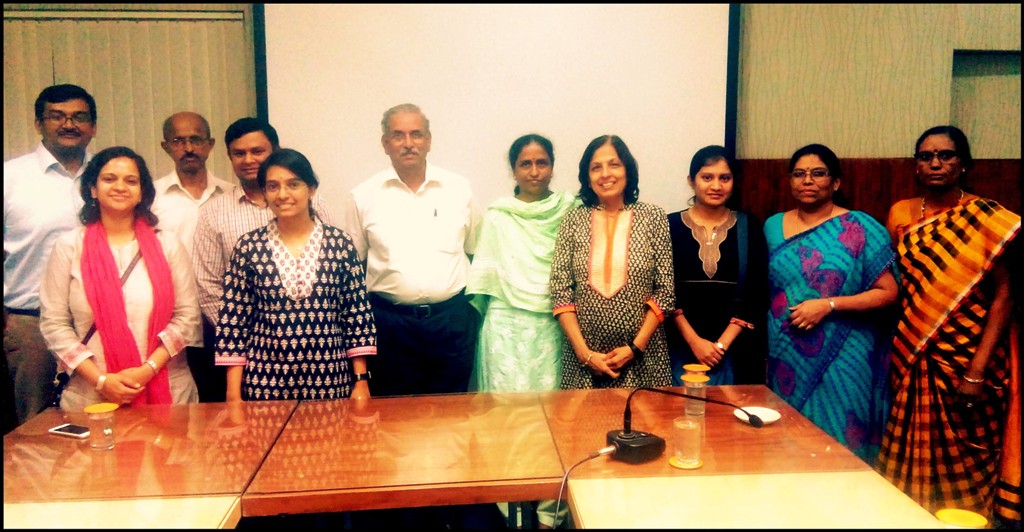
"State level Consultation on Status of Thalassemia and Other Hemoglobinopthies in Karnataka" was organised by Sankalp India Foundation with the major thalassemia centers in Bangalore as co-hosts on 9th of March 2016 at Rashtrotthana Parishat, Bengaluru.
World bank data on maternal mortality shows that even in 2011-2015 we had 174 in every 100,000[1] women dying because of pregnancy related causes. We contribute to the highest number of maternal deaths globally and stand at the 127th position in the world on maternal mortality ratio.

India is striving to achieve the target of 100% voluntary blood donation by 2020. National Blood Transfusion Council, National AIDS Control Organisation, Federation of Indian Blood Donation Organisations and all other stakeholders agree to the goal. The primary focus appears to increase voluntary blood donation to meet the ever growing demand for blood in the country. Is increasing supply to meet the demand the only way?
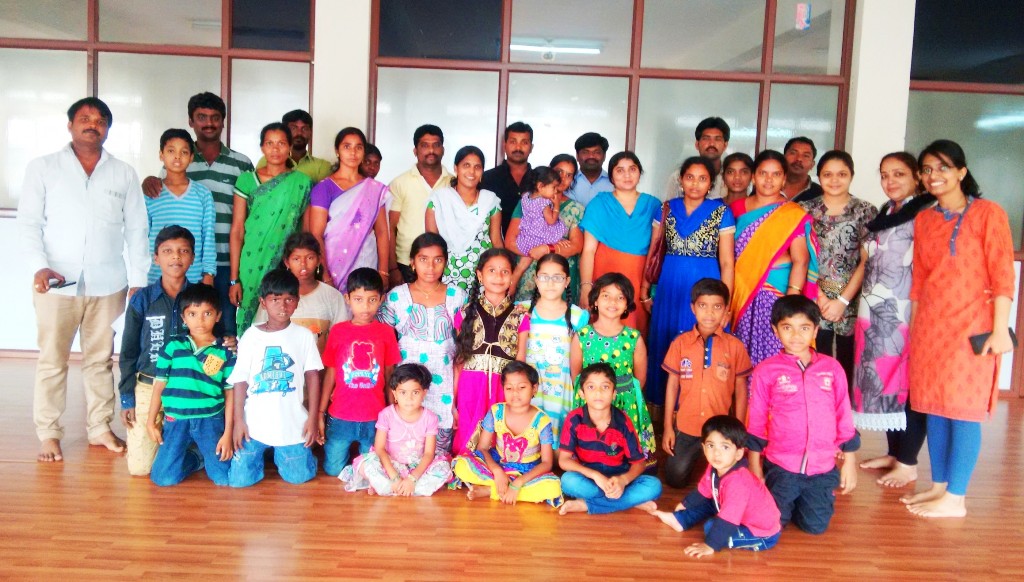
23rd March Bangalore
With the support of DKMS Germany and Cure2Children, Italy, Sankalp India Foundation has been offering free HLA typing to patients from all over the country. Several of these patients find a match within their families. Once the match is found, starts the journey of screening and preparation for the transplantation.