
India After Independence
 Most of us are plagued with the lack of understanding of our own nation in a larger sense. Though we are born in a free nation, we hardly know anything about it's evolution since 15th August, 1947.Most of us are plagued with the lack of understanding of our own nation in a larger sense. Though we are born in a free nation, we hardly know anything about it's evolution since 15th August, 1947.
The images were evocative, exotic and intriguing. Gandhian, non-violent and extremely moving. Deep in the Himalayan mountains of Uttar Pradesh, the poor women of Reni village, led by Gaura Devi, were giving the government an environmental lecture. This was 1974 -- at a time when hardly anyone had heard about the importance of the environment. And, to boot, the women were telling the government that it could cut the forests only over their dead bodies. They would hug the trees to protect them from the axe.
 "It was in 1974 that women began to play an active role in the Chipko Movement. In that year, at a site above the village of Reni overlooking the Alaknanda River near the Tibetan border, the Forest Department granted a concession to fell 2,500 trees.
The Ancient Legend In India there is an ancient legend about a girl, Amrita Devi, who died trying to protect the trees that surrounded her village. The story recounts a time when the local Maharajah's tree cutters arrived to cut the villager's trees for wood for his new fortress. Amrita, with others, jumped in front of the trees and hugged them. In some versions of the tale their dramatic efforts prevented the forest's destruction; in others Amrita dies in her valiant attempt.
Bangalore: It is a befitting way to tell the soldiers guarding our borders in difficult conditions that we care.
And for that reason Sankalp India Foundation, a voluntary youth organisation have decided to launch “Mission Siachen,” through which messages would be sent to soldiers posted at the Siachen in the eastern Karakoram range of the Himalayas.
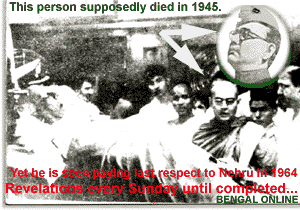 "As soldiers, you will always have to cherish and live up to the three-ideals of faithfulness, duty and sacrifice. Soldiers who always remain faithful to their nation, who are always prepared to sacrifice their lives, are invincible. If you, too, want to be invincible, engrave these three ideals in the innermost core of your hearts"
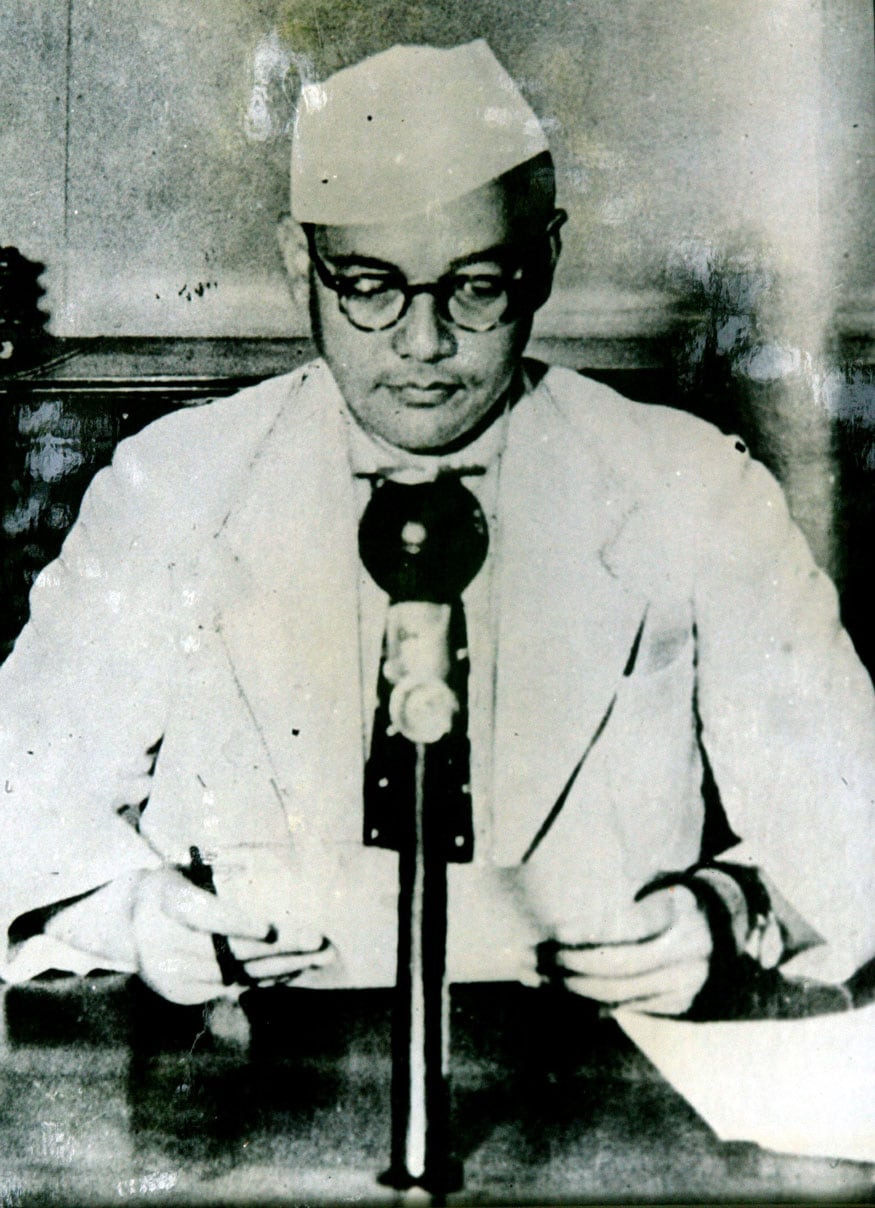
"...It is our duty to pay for our liberty with our own blood. The freedom that we shall win through our sacrifice and exertions, we shall be able to preserve with our own strength......" Netaji Subhas Chandra Bose to the Indian National Army in Malaya/Singapore

