
Rakta Kranti Team Report - 2014-15

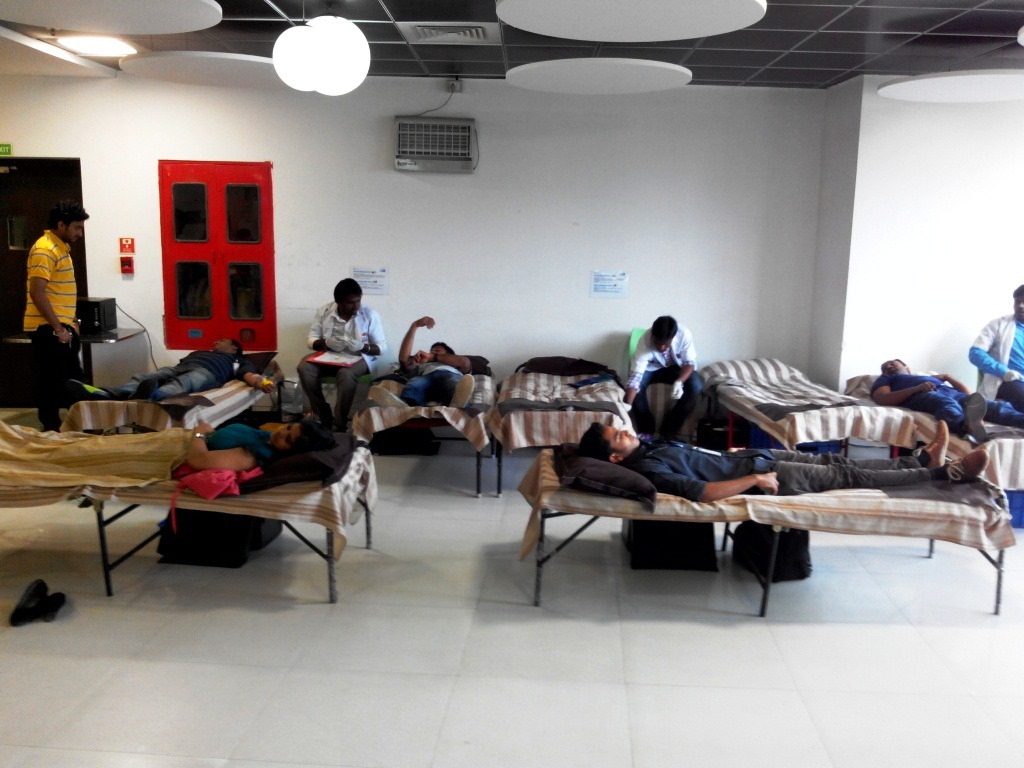
For the second year in a row, the Rakta Kranti team collected over 10,000 units of blood through voluntary blood donation camps in 2014-15. More than 70% of the units went to government institutions, thereby closely trying to realize what we deeply desire – availability of blood to all sections of society. The year also witnessed a significant amount of effort spent by the team to get the right balance of quality and number of drives in place.
Final war against polio

Submitted by souravroy on
As part of India’s endgame strategy, last week Lok Sabha was informed that Inactivated Polio Vaccine (IPV) will soon be given to children as an additional dose at 14th week along with DPT3 and Oral Polio Vaccine (OPV3) to children. According to PTI, the National Technical Advisory Group on Immunisation (NTAGI) has made this recommendation in its meeting held on 12th June last year. Usage of social media as part of strategy to create awareness and dissemination of information about health initiatives is also being discussed.

News and Updates from April 2015

Rakta Kranti

With the onset of the new financial year, Sankalp Rakta Kranti Team looked to make a strong start with plenty of blood drives catering to the summer period. On the back of a year with close to 12,000 units collection having gone by, the team wanted to maintain the same momentum. In summary, 1055 units were collected in 13 drives. We had about 3% of donors having post donation complications and the percentage of deferrals for the month was 22.3.

Erythropoietin reduces demand for rare blood groups

It's always a challenge to make available adequate quantity of rare blood groups. Whenever there is request for Bombay blood group, our emergency team explores all alternatives to blood transfusion before proceeding to organise for blood donations. The medical condition, the alternatives for transfusions which fit into the scenario and whether or not any alternative was used eventually is documented for each request. We recently analysed 40 of the Bombay blood group requests the organisation received last year.