
These Engineers Program Life Too
Sankalp India Foundation Organizes Blood Donation Drives | Set Up Thalassemia Center in 2011
Bangalore: Many years ago, a person's death due to unavailability of blood stirred the conscience of four engineering students. The quartet resolved to ensure that no one died due to shortage of blood.

 The last edition of the Patrika laid the prelude to understanding and handling adverse events in outdoor voluntary blood donation drives. Like mentioned last time, Sankalp India Foundation has designed a protocol for handling such events. In this edition of the Patrika, we shall focus on identification of Adverse events in blood donation drives. A problem well stated is like a problem half solved.
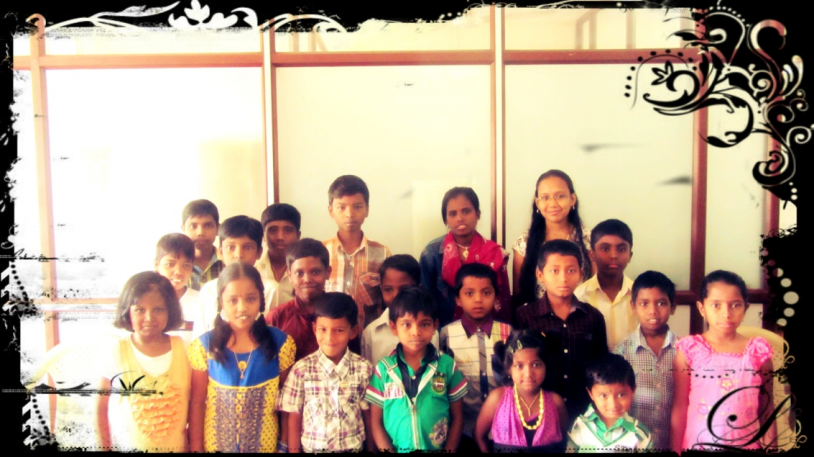 Technically, it was not a celebration - but we could not think of a more meaningful way. We thought inching a few children closer to better care and treatment could be a nice way to express the feelings on the Republic Day.